Christmas Lights for Winter Season: An Embroidery Review
As a professional embroidery designer and product reviewer, I approach every new graphic asset with a specific question: will this actually stitch out well on real fabric? When evaluating Christmas Lights for Winter Season, my focus shifts immediately from the screen to the hoop. This digital file is marketed as versatile clipart for DIY projects, packaging, and textiles, but for those of us running a craft business or managing an Etsy shop, visual appeal on a monitor is only half the battle. The true test lies in how these illustration elements translate into a tangible machine embroidery design. After analyzing the line work, composition, and thematic weight of this graphic, I have assessed its viability for commercial and personal embroidery applications.
First Impressions and Stitch Translation Potential
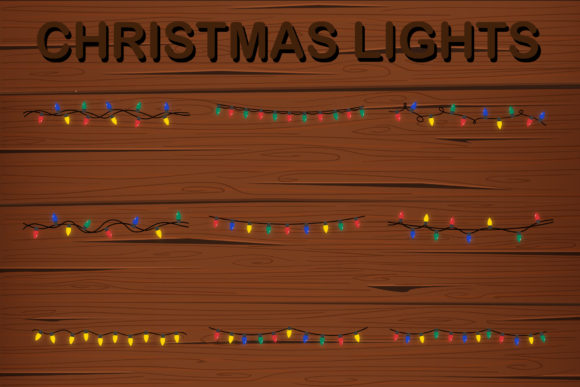
My initial assessment of Christmas Lights for Winter Season reveals a design that captures the nostalgic warmth essential for holiday merchandise. The visual personality feels organic rather than rigid, which is crucial for holiday embroidery. Unlike geometric patterns that forgive poor digitizing, organic light strands require careful attention to flow. As a set of graphics and illustrations, the artwork possesses enough distinct separation between elements to suggest it could be digitized effectively using a combination of satin stitches for the bulbs and running stitches for the connecting wires.
For an embroidery designer, the spacing in this clipart is promising. It avoids the cluttered aesthetic that often leads to thread breaks or excessive jump stitches. The mood is cozy and inviting, making it naturally suited for products intended to evoke comfort. However, because this is a digital file meant for multiple uses including printables and stationery, you must verify if the included embroidery file has been specifically optimized for textile density. Graphics designed primarily for paper products sometimes lack the necessary underlay or pull compensation required for stable stitching on fabric.
Real-World Application: The Custom Sweatshirt Test
To truly judge the utility of Christmas Lights for Winter Season, I mentally applied it to a current client request: a custom embroidered sweatshirt for a small boutique’s holiday capsule collection. Sweatshirts are high-stakes items; the fleece texture can swallow fine details, and the stretch requires precise stabilization. In this scenario, the design serves as a central chest motif. The linear nature of Christmas lights allows for excellent placement across the yoke or arcing over a pocket area, which maximizes the garment's real estate without overwhelming the wearer.
In this real-life case, the success of the sweatshirt embroidery depends entirely on scale. If the bulbs in the illustration are too intricate, they will disappear into the fleece nap. I would recommend treating this as a bold statement piece rather than a delicate accent. For a handmade product like this, the design needs to communicate "festive" from a distance of three to five feet. If you are creating custom apparel, ensure the digitized version uses adequate column widths for the light strands. A thin running stitch might look elegant on screen but will sink into terry cloth or French terry, rendering the design invisible after the first wash.
Navigating Fabric Limitations and Hoop Constraints
While Christmas Lights for Winter Season offers broad versatility, there are specific environments where caution is necessary. Not all fabrics welcome detailed holiday graphics equally. When working with textured surfaces like linen tea towels or waffle-weave blankets, the intricate connections between light elements may get lost. Similarly, if you plan to use this for baby embroidery on onesies or knit caps, the physical weight of the stitches becomes a safety and comfort concern.
- Stretchy Fabrics: On jersey knits or performance wear, the horizontal span of light strings can cause tunneling if the stabilizer is insufficient. Always use a cut-away stabilizer for stretch garments to maintain the integrity of the design shape.
- Small Hoop Sizes: Resizing this design down for a 4x4 hoop or cap frame requires scrutiny. Reducing complex illustrations often merges stitch points, creating dense spots that break needles. Check the minimum recommended size before committing to small-scale projects.
- Dark vs. Light Fabrics: Christmas lights rely on contrast. On dark navy or black sweatshirts, ensure the digitizer has included white underlay or glow effects so the colors pop. On white fabric, verify that the wire color provides enough definition so the design doesn't look washed out.
- Curved Surfaces: Applying straight light strands to a curved cap brim or sleeve can result in distortion. You may need to warp the design digitally or adjust your hooping technique to accommodate the natural curve of the finished product.
Commercial Viability for Makers and Sellers
For Etsy sellers and creative entrepreneurs, time is money. Christmas Lights for Winter Season holds significant potential for batch production because of its universal appeal. It bridges the gap between vintage nostalgia and modern minimalism, allowing it to fit various brand aesthetics. Whether you are producing tote bag designs for craft fairs or personalized ornaments for online orders, this theme resonates with buyers looking for seasonal cheer without religious specificity, broadening your target demographic.
However, professionalism dictates due diligence. Before listing any finished product derived from this asset, confirm the licensing terms explicitly. Does the license cover commercial embroidery on physical goods? Can you use the original graphics for printable mockups in your listings? Misunderstanding these terms can jeopardize your shop. Furthermore, consider the perceived value. A well-executed embroidery project using this design should command a premium price. If the stitch-out looks flat or the registration is off due to poor digitizing of the source art, it devalues your brand. High-quality commercial embroidery requires matching the right design complexity with the right substrate.
Essential Designer Notes for Successful Execution
Before you load this digital embroidery file into your machine for a final run, adhere to these practical protocols to ensure a professional outcome. These steps separate hobbyist attempts from shop-ready merchandise.
- Test Stitch on Actual Material: Never assume a setting works based on previous projects. Run a test of Christmas Lights for Winter Season on a scrap of the exact fabric and stabilizer combination you intend to use. Observe how the satin stitches lay and whether the running stitches remain visible.
- Evaluate Thread Color Contrast: Holiday palettes can be tricky. Test your thread colors against the fabric in natural lighting. Metallic threads often look beautiful in concept but can shred easily or lose luster against certain backgrounds. Have a matte alternative ready.
- Check Stitch Density and Underlay: Inspect the file in your embroidery software. Ensure there is adequate edge-run underlay to prevent fabric push-and-pull, especially for the long spans of light cords. Adjust density if stitching on thick fleece to prevent stiffness.
- Verify Licensing and Usage Rights: Re-read the product description for Illustrations and Graphics usage. Confirm you have the right to sell physical embroidered items versus digital files. Protect your business by knowing your boundaries.
- Create Black and White Mockups: Before cutting fabric, view the design in grayscale. This reveals value contrast issues that color hides. If the lights blend into the background in black and white, they will likely lack definition in thread form.
- Assess Washability: If this is for a kitchen towel or baby item, consider the longevity. Dense fill stitches may pucker after laundering. Pre-washing your base fabric and using appropriate tear-away or wash-away stabilizers can mitigate post-wash distortion.
Ultimately, Christmas Lights for Winter Season is a strong candidate for winter collections, provided it is treated with technical respect. By understanding the relationship between the digital illustration and the physical limitations of thread and fabric, you can transform this graphic into a best-selling embroidered patch, apparel line, or home textile. Success in our industry isn't just about having cute art; it is about executing that art flawlessly on the products our customers cherish.