Christmas Tree Clipart Design: Graphics & Illustrations Review
Evaluating Festive Charm for Artisan Bakery Branding
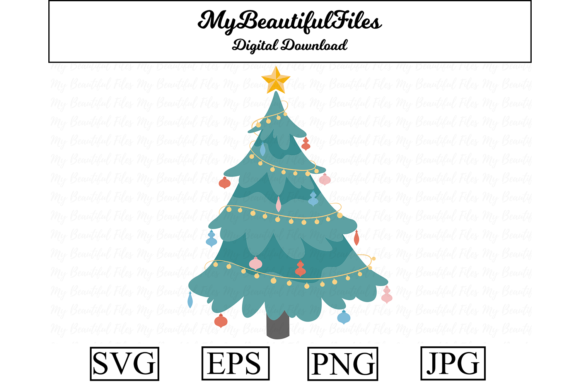
As a brand designer specializing in local business identity, my first impression of this Christmas Tree Clipart Design is that it strikes a delicate balance between nostalgic warmth and modern versatility. When reviewing illustrations for seasonal campaigns, I look for assets that do not scream "generic holiday" but rather whisper "thoughtful celebration." This particular graphic design asset possesses a handcrafted quality that immediately suggests an organic, friendly, and artisanal brand personality. It feels less like corporate clipart and more like a bespoke element drawn specifically for a small business.
For a recent project involving a local sourdough bakery and coffee roaster, this style of illustration was exactly what we needed to bridge the gap between their rustic, everyday aesthetic and their premium holiday gift boxes. The mood is undeniably festive yet restrained enough to maintain professional branding standards. It avoids the chaotic clutter often found in seasonal graphics, making it suitable for businesses that value elegance alongside tradition. Whether you are running a handmade soap shop, a boutique florist, or a specialty food brand, this asset communicates care and craftsmanship, which are essential traits for building customer trust during the busy holiday season.
Strategic Applications for Product Labels and Seasonal Packaging
In real-world commercial design, versatility is non-negotiable. I evaluated this Christmas Tree Clipart Design specifically for its utility across multiple touchpoints in a physical product ecosystem. For our bakery client, the primary application was on limited-edition cookie tin labels and kraft paper packaging sleeves. Because the digital download includes PNG, SVG, JPG, and EPS formats, we had the flexibility to scale the illustration without losing fidelity. The SVG format proved invaluable for laser-cutting wooden ornaments that served as hang tags, while the high-resolution PNG allowed us to overlay the tree onto textured paper backgrounds in our packaging mockups without jagged edges.
Beyond packaging, this asset serves as a powerful anchor for broader marketing visuals. We utilized it as a hero graphic for the bakery’s seasonal email newsletter header and as a recurring motif in social media graphics announcing holiday pre-orders. For small business branding, consistency is key to recognition. By using the same illustration across thank-you cards, Instagram stories, and physical product labels, we created a cohesive visual narrative. This level of consistency elevates a local business from looking like a hobbyist operation to a polished, professional brand. The design works exceptionally well as a decorative border element on price lists and menu boards, guiding the customer’s eye without overwhelming the essential product information.
Enhancing Shelf Appeal and Customer Connection Through Visual Hierarchy
The true test of any graphic design asset is whether it supports the business goals or merely decorates them. In the context of retail shelf appeal, this Christmas tree illustration acts as a visual cue that signals "seasonal special" instantly. However, its greatest strength lies in how it supports emotional connection. For handmade sellers and creative entrepreneurs, the packaging is often the only tangible interaction a customer has with the brand before consumption. A beautiful, well-placed illustration transforms a simple box into a keepsake.
From a visual hierarchy perspective, this asset helps organize information effectively. On a crowded product label, the tree provides negative space and breathing room, separating the logo design from the ingredient list. It creates a focal point that draws attention to the product name while softening the overall layout. This is particularly effective for skincare brands or candle makers where the vibe needs to be relaxing even during the holidays. Improved visual hierarchy leads to better readability, which directly correlates to higher conversion rates at craft fairs and pop-up markets. When customers can easily navigate your packaging and feel good about the aesthetics, perceived value increases significantly.
Navigating Design Constraints and Placement Best Practices
While this Christmas Tree Clipart Design is highly adaptable, experienced designers know that placement is everything. Through testing, I identified specific environments where this asset shines and others where caution is required. It performs best as a secondary brand element rather than a primary logo mark. It is ideal for:
- Seasonal packaging accents and belly bands
- Hero images for web design landing pages
- Decorative elements on printable inserts and unboxing experiences
- Social media campaign templates and story highlights
- Boutique window signage and promotional flyers
Conversely, use this asset carefully in areas requiring strict legibility or minimalist luxury. Avoid placing detailed illustrations directly behind small body text or legal disclaimers, as the contrast issues can make important information unreadable. For ultra-modern or stark luxury brands, ensure the illustration’s style aligns with your existing typography; otherwise, it may feel disjointed. Additionally, be mindful of low-contrast backgrounds. If printing on dark cardstock, ensure you have a white or light-colored version of the file ready, as standard black ink will disappear. Always preview the design at actual print size; what looks balanced on a 27-inch monitor may become a muddy blob on a 2-inch sticker.
Technical Due Diligence for Professional Commercial Use
Before integrating this digital product into any client work or business branding, rigorous technical validation is mandatory. As a professional, I never assume a file is print-ready just because it is labeled as such. Here is my checklist for evaluating this asset for commercial design:
- Vector Integrity Check: Open the SVG or EPS file in Adobe Illustrator or Affinity Designer. Ensure all paths are closed and there are no rasterized elements hidden within the vector file. This ensures crisp edges for large-format printing like posters or banners.
- Transparency Validation: Inspect the PNG transparency mask. Zoom in to 400% to check for halos or pixelated edges around the tree. Clean edges are critical for professional packaging design where the background color might change.
- Typography Pairing Test: Place the illustration next to your brand’s serif, sans-serif, and script fonts. Does the line weight of the tree match the stroke width of your typeface? Harmonious line weights create a unified brand identity.
- Monochrome Conversion: Test the design in solid black and solid white. Many budget-friendly printing methods (like single-color stamping or screen printing) require single-color art. If the detail is lost in monochrome, its utility decreases.
- Licensing Verification: This is the most critical step for small business owners. Confirm the commercial license terms explicitly allow for physical product sales and marketing visuals. Never assume personal use licenses cover commercial branding.
By treating this Christmas Tree Clipart Design as a strategic tool rather than mere decoration, local businesses can leverage its charm to drive sales and build lasting brand equity. Whether used in a Canva template for quick social posts or refined in vector software for custom die-cut labels, this asset offers significant value for the prepared designer. Remember, the watermark you see in preview images is for copyright protection only; the clean files provided in the download are ready to help you craft a memorable holiday presence for your brand.