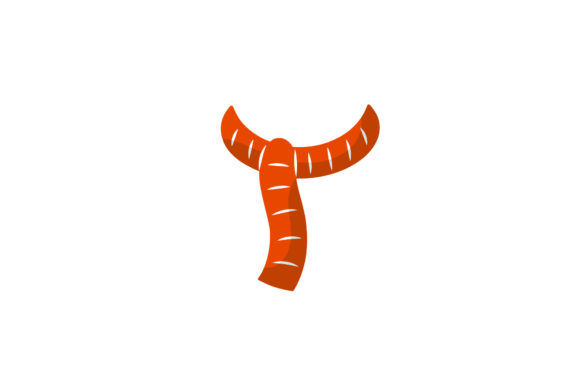
Christmas Outfit Scarf Vector Asset Review
As an embroidery designer who has digitized and stitched out countless holiday graphics, I approach every new vector asset with a specific question: will this actually translate to thread? When evaluating the Christmas Outfit Scarf Vector Asset, my first impression is that it captures a distinct festive mood without relying on overly complex gradients that frustrate embroidery machines. The illustration style feels intentional, balancing visual personality with the technical realities of needle and thread. For crafters and small business owners, this graphic sits in a sweet spot between digital art and functional machine embroidery design potential.
The layout suggests a versatile accessory motif rather than a rigid, full-coverage scene. This is crucial for custom apparel and holiday embroidery projects where drape and fabric movement matter. Unlike dense landscape illustrations that can turn a sweatshirt into bulletproof armor, this scarf vector asset appears optimized for lighter stitch applications. It evokes warmth and tradition, making it an immediate candidate for personalized gifts and boutique merchandise. However, moving from a 1920 px x 1280 px screen preview to a physical hoop requires careful consideration of how these clean lines will behave on textured fabrics.
Real-World Application: Stitching for Holiday Markets
To truly judge this asset, I mentally placed it in a current production scenario: creating a line of premium holiday tote bags and matching baby bibs for an upcoming winter market. In this context, the Christmas Outfit Scarf Vector Asset serves as more than just decoration; it acts as a branding anchor. For the tote bag design, I envision converting the primary shapes into a combination of satin stitch borders and light fill stitch interiors. This approach maintains the structural integrity of the canvas bag while allowing the scarf motif to remain soft to the touch.
For the baby embroidery application, safety and comfort are paramount. Here, the vector’s clean lines are advantageous. I would likely utilize this as an applique design foundation. By using the vector paths as cutting guides for fabric scraps, you reduce total stitch count significantly compared to a fully filled embroidery file. This results in a flexible, non-scratchy finish essential for infant wear. The visual hierarchy of the scarf asset allows it to scale down effectively, ensuring the design remains recognizable even on smaller items like caps or chest pockets. For Etsy sellers and small shop product creators, this versatility means one digital asset can generate multiple SKU variations, maximizing your return on creative investment.
Technical Considerations for Fabric and Hoop Selection
While the Christmas Outfit Scarf Vector Asset is visually appealing, its performance depends heavily on substrate selection. As a high-resolution graphic (1920 px x 1280 px), it contains detail that must be respected during digitization. If you plan to use this for sweatshirt embroidery on fleece or French terry, be aware that fabric texture can swallow fine details. You may need to slightly thicken running stitch elements or increase column widths in your digitizing software to prevent stitches from sinking into the pile.
Conversely, if applying this to thin, stretchy knits for custom apparel, stitch density becomes a critical concern. A vector meant for print does not inherently account for fabric distortion. When adapting this graphic:
- Avoid Dense Satin Stitches: Wide satin columns based directly on vector outlines can cause puckering on lightweight fabrics. Consider breaking wide areas into textured fills or applique.
- Mind the Stabilizer: Because this is an accessory-themed graphic likely featuring curves and folds, proper stabilization is non-negotiable. Use cut-away stabilizer for stretchy garments to maintain shape registration.
- Check Small Details: If the scarf includes tiny patterns or text within the vector, verify they are large enough to stitch clearly. Elements under 4mm often require simplification to avoid thread breaks or muddy results.
- Curved Surfaces: For cap or sleeve placement, ensure the scarf’s orientation follows the natural curve of the item. A flat vector applied to a curved surface without adjustment can look distorted in the finished product.
Dark fabrics present another challenge. Since this is a vector asset, color separation is up to the digitizer. On dark backgrounds, ensure adequate underlay stitching to prevent the base fabric from showing through lighter thread colors. Always test contrast before committing to a full production run.
Enhancing Product Value and Customer Trust
In the competitive space of handmade products and commercial embroidery, presentation dictates perceived value. The Christmas Outfit Scarf Vector Asset contributes to professional brand consistency when used correctly. Customers recognize quality; they can distinguish between a thoughtful adaptation and a generic clip-art stitch-out. By treating this graphic as a foundational element rather than a quick fix, you elevate your personalized gift offerings above mass-produced alternatives.
Furthermore, utilizing high-quality source graphics impacts your digital marketing. Before stitching, use the provided JPG and PNG files to create accurate printable mockups. These allow you to validate market interest and secure pre-orders without wasting materials. However, transparency builds trust. Ensure your listing photos reflect the actual stitched texture, not just the digital rendering. When buyers see that the embroidered patch or apparel detail matches the promised aesthetic, confidence in your craft business grows. This asset’s clean illustration style photographs well, aiding in social media engagement and shop visibility.
Essential Designer Notes Before Production
Before loading this digital embroidery file into your machine, adhere to these practical protocols to ensure success across various projects:
- Verify Licensing Terms: Confirm whether the license permits commercial use for both physical finished products and digital resale. Never assume rights based solely on file availability.
- Test on Scrap Fabric First: Always stitch a sample on the exact material intended for the final project. Check for registration issues, tension problems, or design elements that are too dense.
- Review Thread Color Contrast: Test the design in black and white mockups to ensure tonal values read correctly without relying solely on color differentiation. This is vital for accessibility and vintage-style aesthetics.
- Confirm Hoop Size Compatibility: While the canvas is 1920 px x 1280 px, this refers to pixel dimensions, not stitch area. Measure your target placement area and resize the vector accordingly before digitizing to fit your specific hoop size.
- Inspect Corner Radii: Sharp vector corners often translate poorly to thread. Round off acute angles in your editing software to facilitate smoother needle transitions and prevent thread bunching.
- Validate Washability: If creating tea towels or baby items, perform a wash test. Ensure the chosen stitch types and densities hold up to laundering without fraying or distorting.
The Christmas Outfit Scarf Vector Asset offers significant potential for makers willing to bridge the gap between digital illustration and tactile craftsmanship. Its strength lies in its adaptability across categories, from nursery decor to adult fashion. By respecting the technical limitations of embroidery and leveraging the asset’s clean aesthetic, you can create finished products that resonate with buyers seeking authentic holiday charm. Remember, a vector is merely a blueprint; your expertise in stabilizer choice, thread selection, and fabric pairing is what ultimately transforms these pixels into a cherished handmade treasure.