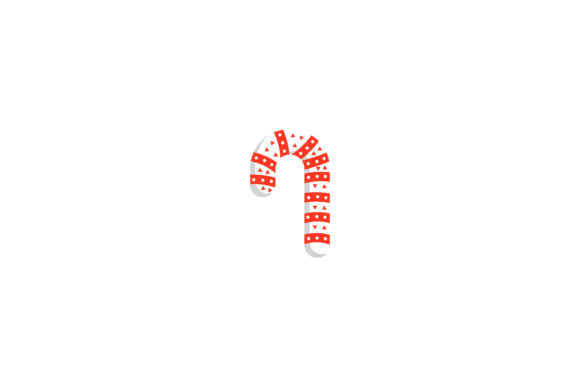
Christmas Candy Vector Illustration Graphics Review
As a handmade business owner preparing for the holiday rush, I am constantly evaluating new design assets to see if they can truly withstand the rigors of production. When I first opened the Christmas Candy Vector Illustration, I was looking for more than just festive cheer; I needed a versatile graphic design asset that could transition seamlessly from digital planning to physical crafting. My initial impression was that this collection strikes a delicate balance between nostalgic warmth and modern commercial appeal. The mood is undeniably cozy yet polished, evoking the feeling of a high-end bakery or a boutique gift shop rather than generic clipart. For my Etsy product listings and local craft fair displays, this aesthetic is crucial. It attracts buyers who appreciate traditional holiday motifs but demand clean, professional execution. The illustrations feel playful enough for children’s items but refined enough for adult home decor, making it a strong contender for a diverse seasonal catalog.
Real-World Applications for Cricut and Silhouette Projects
In my workshop, versatility is the metric that matters most. A pretty picture on screen means nothing if it cannot be cut, printed, or pressed effectively. I tested this Christmas Candy Vector Illustration across multiple mediums to determine its practical value for fellow makers. Because the files are true vectors, they offer significant advantages over raster images for specific applications.
- Vinyl Cutting: I imported the SVG design into Cricut Design Space to create decals for glass mugs and tumblers. The nodes were surprisingly clean, meaning I spent less time welding and simplifying paths before cutting. This is essential when producing batches of custom drinkware where time is money.
- Sublimation Design: For polyester tumbler wraps and ceramic mug blanks, the ability to resize without pixelation is non-negotiable. I scaled one of the intricate candy cane designs up to cover a 20oz skinny tumbler, and the edges remained crisp. The colors vibrated beautifully after pressing, retaining the depth seen in the original file.
- Sticker Design: Using the PNG design files with transparent backgrounds, I created planner stickers and die-cut vinyl stickers. The transparency was genuine, with no white halos requiring manual erasure. This streamlined my workflow for creating holiday sticker sheets.
- Printable Design: I utilized the illustrations for printable gift tags and greeting cards. The vector nature allowed me to adjust the color palette slightly to match different paper stocks without losing quality, ensuring consistent branding across my handmade business packaging.
Where This Asset Shines in Handmade Product Creation
Through testing, it became clear where the Christmas Candy Vector Illustration performs best within a small business branding context. These graphics excel in medium-to-large format applications where detail can be appreciated. They are particularly effective for t-shirt design when used as a central chest graphic or a back print for holiday pajamas. The composition allows for easy integration with personalized text, such as family names or "First Christmas" milestones, which are top sellers in the creative marketplace.
Furthermore, these assets are ideal for product mockup creation. Because they are editable vectors, I could isolate individual elements to create realistic overlays for my shop listings. Showing customers how a design looks on a real tote bag or ornament helps convert sales far better than a flat digital preview. For those selling digital products like digital planners or invitation templates, the clean lines and layered structure make these illustrations easy to incorporate without overwhelming the user's own content. They also serve as excellent decorative accents for commercial design projects, such as bakery menus or holiday party signage, where readability and festivity must coexist.
Technical Considerations and Crafting Limitations
Honesty is vital in any crafter review, and while this design bundle is robust, there are scenarios where caution is required. Not every element is suitable for every machine or material. Based on my experience using this Christmas Candy Vector Illustration for actual customer orders, here are the limitations you must respect:
- Micro-Detail Cutting: While the vectors are clean, some of the finer shading lines and texture details within the candy illustrations are too delicate for standard adhesive vinyl. If you attempt to cut these at sizes smaller than three inches, your weeding process will become a nightmare. Reserve the intricate versions for sublimation, DTF transfers, or print-then-cut projects.
- Layered Vinyl Complexity: Some designs rely on gradients or overlapping colors that do not translate well to layered cardstock or HTV. You may need to simplify the artwork significantly if you intend to use it for multi-layer paper crafts. Always check the layer structure before committing to a cut.
- Contrast on Dark Materials: Certain pastel or lighter candy tones may disappear against dark wood stains or black fabric. Unlike a simple silhouette, these detailed illustrations require a contrasting background to pop. Test your color combinations on scrap material first.
- Font Pairing Sensitivity: Because the illustrations have a distinct personality, they can clash with overly ornate script fonts. I found that pairing them with bold serif fonts or clean sans-serif typefaces yielded the most professional results for Etsy product listings.
Essential Workflow Tips for Makers and Sellers
To maximize the return on investment for this graphic design asset, I recommend a disciplined pre-production workflow. Before listing any item featuring the Christmas Candy Vector Illustration in your shop, verify your commercial license. Ensure the terms allow for both physical end products and digital templates if that is part of your business model. Licensing issues can shut down a handmade business faster than poor craftsmanship.
Always test the SVG lines in your specific cutting software. Even high-quality vectors sometimes contain stray anchor points that cause machine errors. Run a test cut on cardstock before wasting premium vinyl. For sublimation design, confirm your color profile settings; vectors can sometimes appear duller on screen than they print, so a physical color proof is worth the ink cost. When creating print-on-demand listings, place the artwork on realistic mockups rather than plain white backgrounds to help customers visualize the final product.
Finally, consider customization. Since these are openable and editable vector files, do not use them exactly as-is if you want to stand out in a saturated market. Adjust the hues to match your unique brand palette, combine elements to create new compositions, or add personalized typography. This transforms a stock asset into a proprietary design that adds genuine value to your small business branding. By treating the Christmas Candy Vector Illustration as a foundational tool rather than a finished product, you ensure your handmade goods remain distinctive, professional, and profitable throughout the holiday season.